Lime paint, Marmorino and Venetian plaster are often confused because all three may be lime-based and hand-applied. They do not, however, describe the same method or finish. Lime paint forms a thin, brushed coating. Marmorino is a lime plaster applied with a steel trowel. Venetian plaster is a broader term for very fine stucco surfaces built in thin layers and often polished.
The most important distinction
Marmorino is a lime plaster, but not every lime plaster is Marmorino. Marmorino Naturale is a decorative finish, whereas Rasatura Alla Calce is primarily a mineral levelling and substrate-preparation plaster.
Quick comparison
| Finish | Material and application | Typical appearance | Difficulty |
|---|---|---|---|
| Lime paint | Thin lime-based paint, usually brushed | Very matt, soft and subtly varied | Easy–intermediate |
| Marmorino | Lime plaster applied with a steel trowel | Mineral and seamless, from matt to marble-smooth | Intermediate–advanced |
| Venetian stucco | Several very thin layers with optional polishing | Smooth, deep and sometimes mirror-like | Advanced |
| Travertino | Coarser lime-based decorative plaster | Stone-like, grooved or monolithic | Intermediate–advanced |
1. Lime paint: thin, matt and breathable
Lime paint is a thin mineral paint with lime as the binder. It is normally brushed and produces a very matt, softly varied finish. Choose it for a calm natural wall without a pronounced trowelled texture.
OIKOS Pittura Alla Calce Verona is a brushed lime paint for interiors and exteriors. According to its technical data, it is highly vapour-permeable and applied in two coats.
2. Marmorino: decorative lime plaster
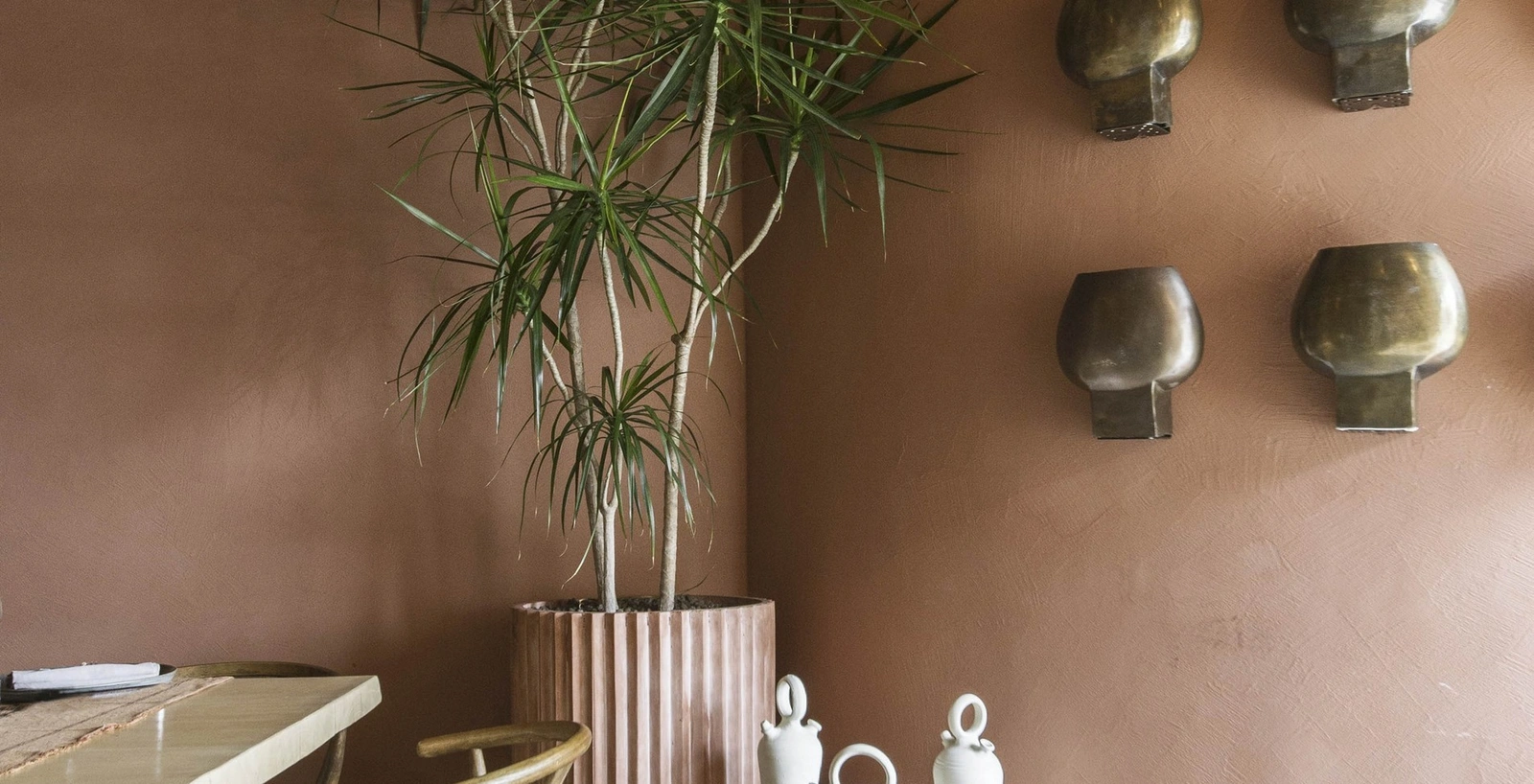
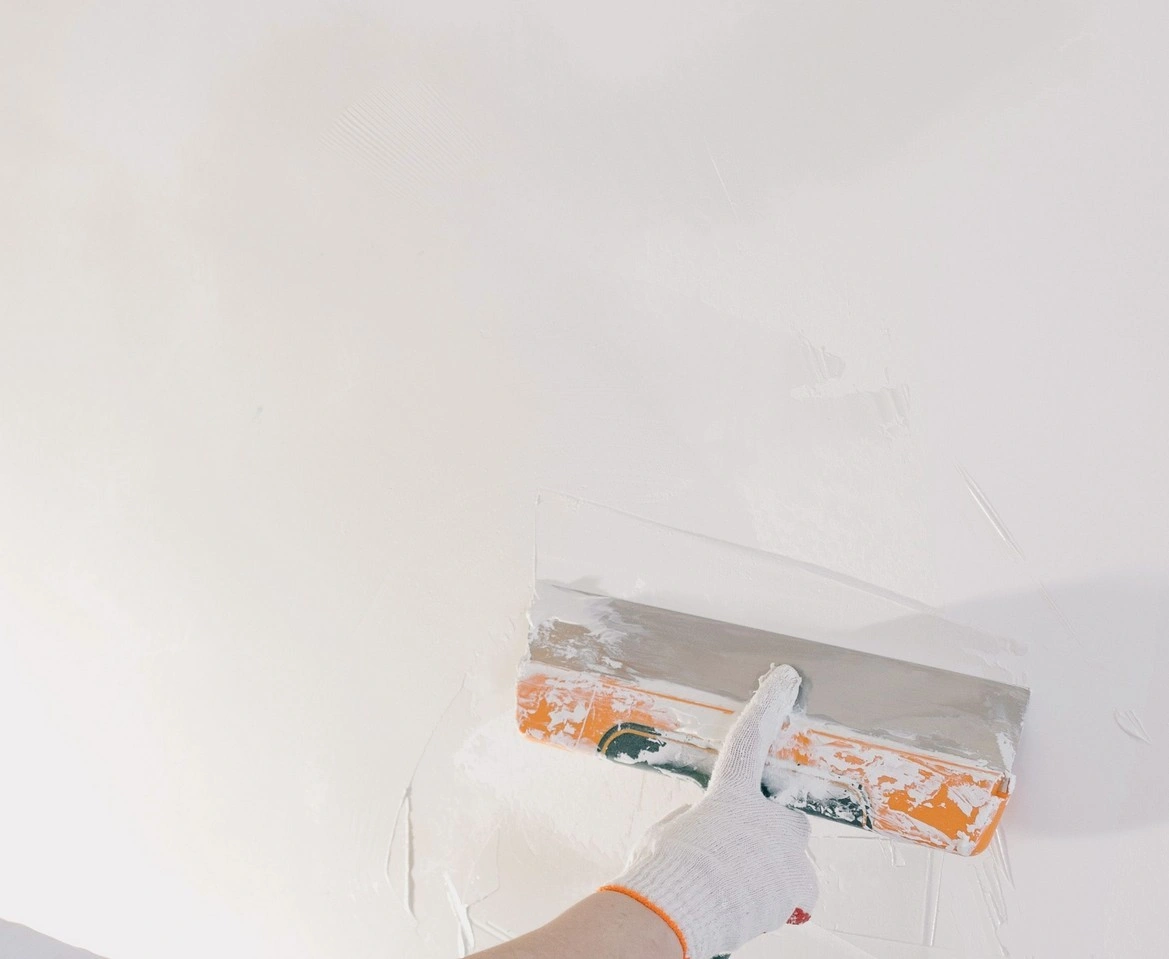
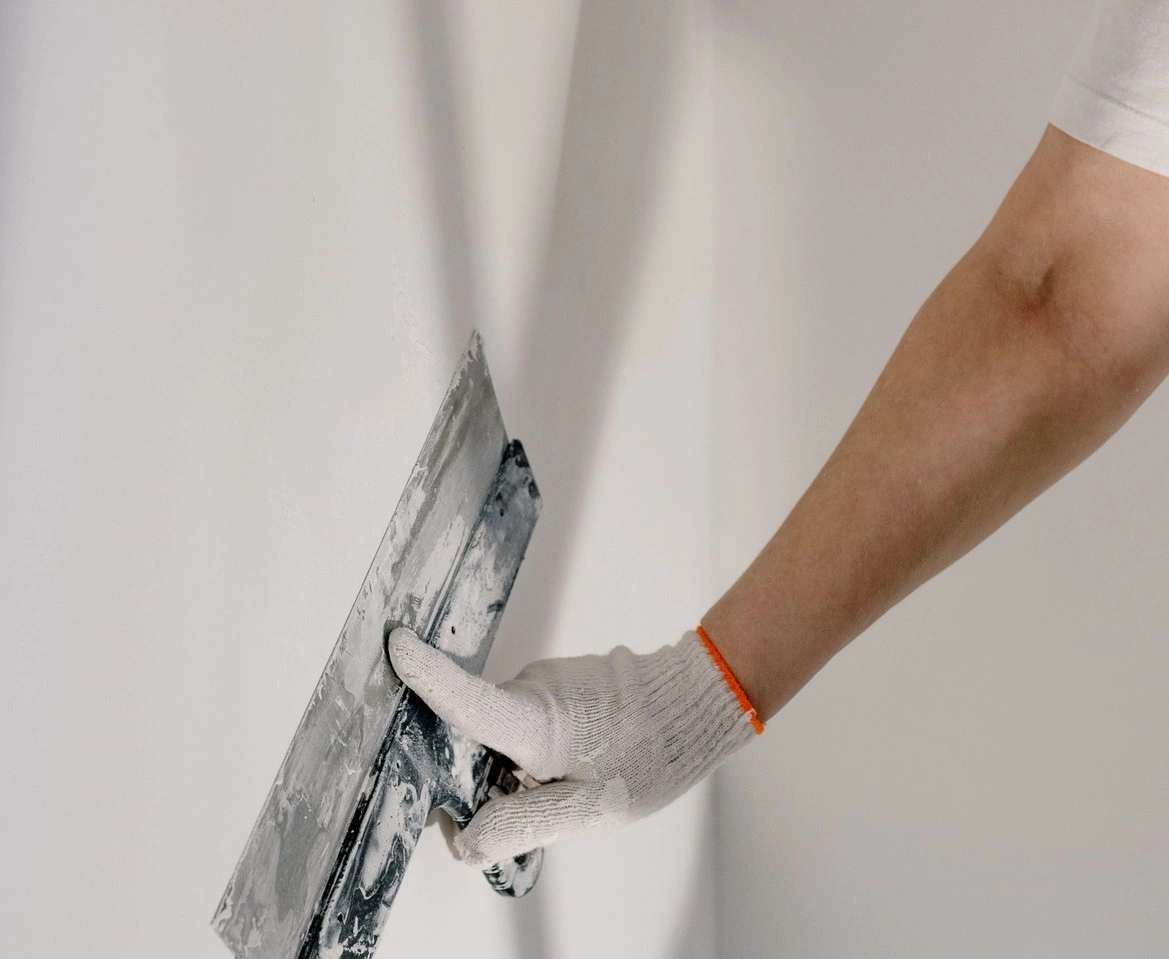
Marmorino is a traditional Italian lime plaster made with slaked lime putty and fine marble material. It is normally applied in two layers with a stainless-steel trowel. The finish may be restrained and matt, gently varied, or polished to a more marble-like appearance.
Marmorino Naturale or Fine?
Marmorino Naturale has a maximum grain size of 0.8 mm and gives more mineral structure. Marmorino Naturale Fine, at 0.3 mm maximum grain size, suits a finer, smoother and quieter finish.
3. Venetian plaster: product or technique?
Venetian plaster, Venetian stucco and stucco veneziano are commonly used for techniques in which very fine lime stucco is applied in several thin layers and compacted or polished. OIKOS Raffaello Decorstucco is designed for this aesthetic and can create anything from matt to very smooth, deep and mirror-polished surfaces.
Choose Marmorino when you want the wall to retain a stronger mineral character. Choose Raffaello when the goal is a very fine and distinctly polished Venetian stucco.
4. Travertino: a stone-like lime finish
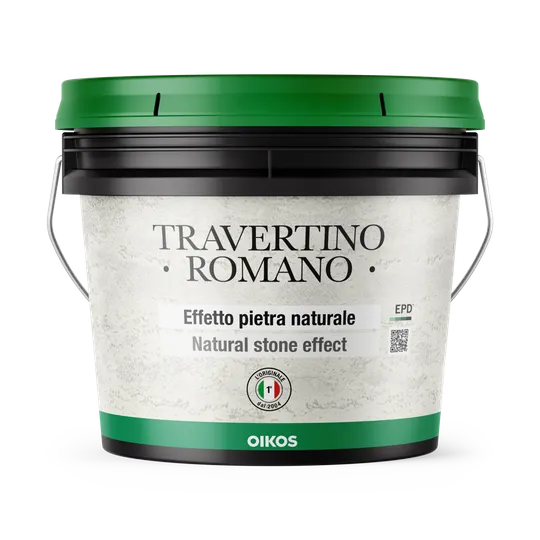
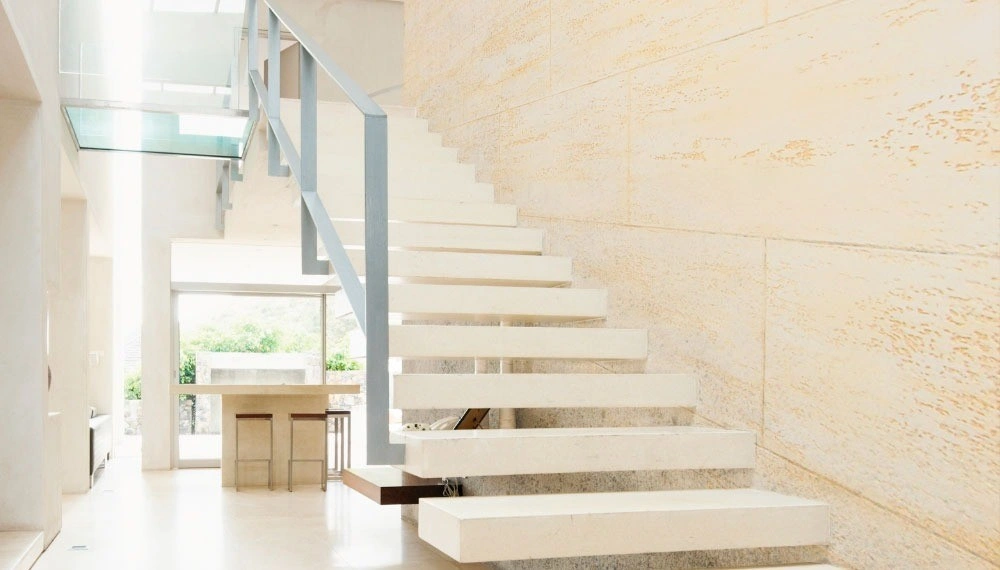
Travertino Romano is coarser and more structural than Marmorino. The ready-mixed plaster contains sand, selected marble aggregate and slaked lime putty. It can recreate travertine pores and veins or form a modern monolithic stone surface.
5. The substrate determines the result
The substrate must be dry, clean, stable and sufficiently even. A decorative plaster cannot replace structural repair, waterproofing or reinforcement of a moving or cracked substrate.
Rasatura Alla Calce shows why lime plaster is a broader term than Marmorino: it is primarily used for mineral levelling and substrate preparation. Some OIKOS effect systems use Il Primer, while the Marmorino Naturale data sheet lists Consolidante Calce for dusty or very absorbent substrates. Always follow the current specification for the selected effect and substrate.
6. Always make a sample
The final colour is influenced by grain size, substrate absorption, trowel movement, layer thickness, polishing, drying conditions and any protective treatment. A sample panel reveals colour, texture and sheen far more accurately than a small colour chip.
7. Protection and wet areas
Protettivo Per Stucco E Marmorino is a transparent protection for compatible stucco and Marmorino surfaces. Gloss can also be developed with Finitura Autolucidante as specified for the chosen system.
Lime plaster and protective coating are not automatically waterproofing. Wet areas require an approved substrate and waterproofing system, assessment of water exposure, and confirmation that the complete finish system is suitable.
Frequently asked questions
Is lime plaster the same as Marmorino?
Marmorino is a lime plaster, but lime plaster is a broader material group. A levelling plaster such as Rasatura Alla Calce is not the same product as a Marmorino finish.
Is Marmorino the same as Venetian plaster?
The terms overlap, but they are not identical. Marmorino is a specific lime-plaster tradition and material family; Venetian plaster is a broader name for fine, layered and often polished stucco techniques.
Can a beginner apply Marmorino?
A small feature wall is possible after practising on a sample board. Large continuous areas and highly polished stucco benefit from professional technique.
Which lime finish suits your wall?
Send Deco Paint a photo of the room and substrate, wall area, intended use and an inspiration image. We will help you choose a compatible system, tools and quantity.
Sources: technical information was checked against current Deco Paint product pages and OIKOS documentation for Marmorino Naturale, Raffaello Decorstucco, Travertino Romano and Il Primer. Always check the current technical data sheet before application.
Related products

Stucco paste Finitura Autolucidante
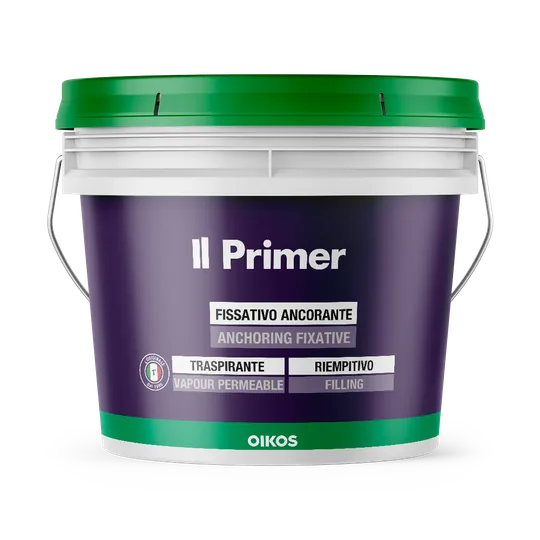
Quartz adhesion primer Il Primer
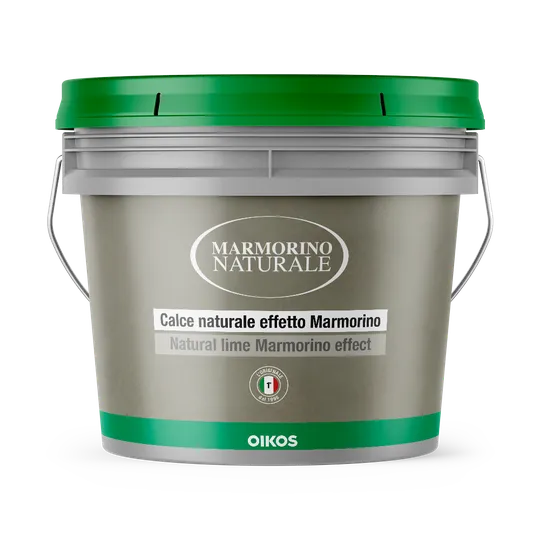
Lime Coating Marmorino Naturale
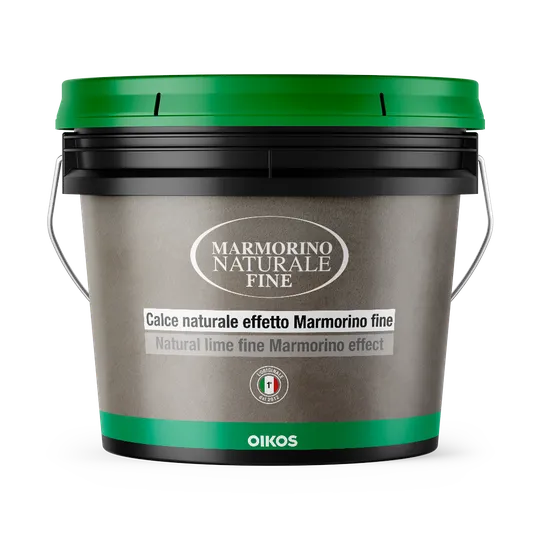
Lime Coating Marmorino Naturale Fine

Lime paint Pittura Alla Calce Verona


Lime Stucco Raffaello Decorstucco
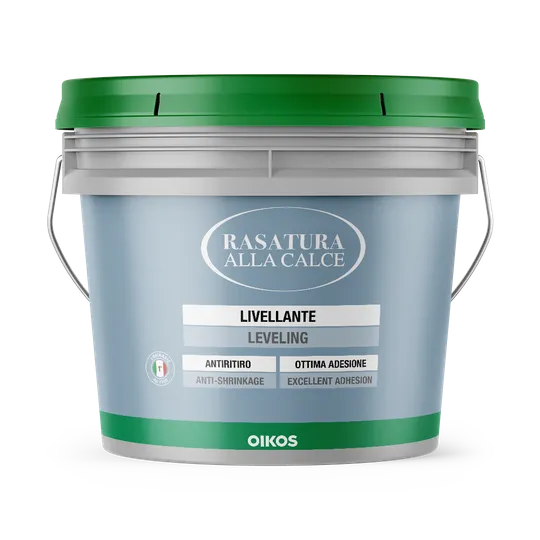
Lime mortar Rasatura Alla Calce