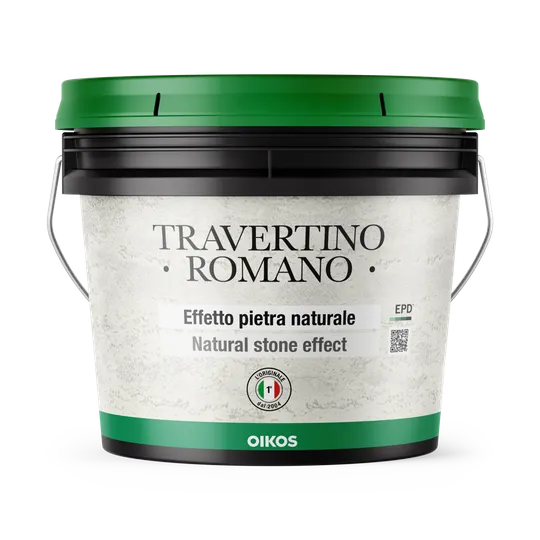
A reliable paint quantity estimate requires more than the wall area. You also need to know the condition and absorbency of the substrate, the existing colour and the coverage stated for the chosen product. This guide explains how to calculate paint consumption, select the right primer and choose a practical pack size.
Calculate your paint quantity in 60 seconds
- Calculate the area to be painted in square metres.
- Check the stated coverage and whether it applies to one or two coats.
- Assess the surface: new or painted, smooth or porous, light or strongly coloured.
- Select a suitable primer if the substrate requires one.
- Calculate the litres and allow a practical working margin.
1. Calculate the wall area
Measure the width and height of each wall. Multiply the measurements and add the wall areas together. Large doors and windows can be deducted from the total.
Basic formula:
wall width × wall height = area in m²
Example: 4.0 m × 2.6 m = 10.4 m². Two identical walls = 20.8 m².
2. Read the coverage correctly
Coverage may be stated for one coat or for a complete two-coat system. This determines whether the number of coats must be included in the calculation.
| Coverage applies to | Formula |
|---|---|
| Two coats | litres required = area ÷ m²/l |
| One coat | litres required = area × number of coats ÷ m²/l |
Technical coverage is an estimate. Actual consumption is influenced by surface texture and absorbency, colour, tools, application method and working conditions.
3. Example: OIKOS Supercolor
OIKOS Supercolor is a washable, breathable and high-coverage matt interior wall paint. Its coverage is stated for a completed two-coat application, so the number of coats is not multiplied again.
| Substrate | Supercolor coverage, two coats | Estimated quantity for 35 m² |
|---|---|---|
| Previously painted light/pastel surface | 12-15 m²/l | approx. 2.3-2.9 l |
| Previously painted strong colour | 8-9 m²/l | approx. 3.9-4.4 l |
| New gypsum-based wall | 9-11 m²/l | approx. 3.2-3.9 l |
| New cement-based wall | 7-8 m²/l | approx. 4.4-5.0 l |
The same 35 m² wall area may therefore require less than three litres or around five litres of paint. A 4-litre pack may be sufficient for a light surface in good condition, while a strong colour or cement-based wall may require 4 + 1 litres. Confirm the final quantity according to the surface and selected shade.
4. The right primer makes consumption more predictable
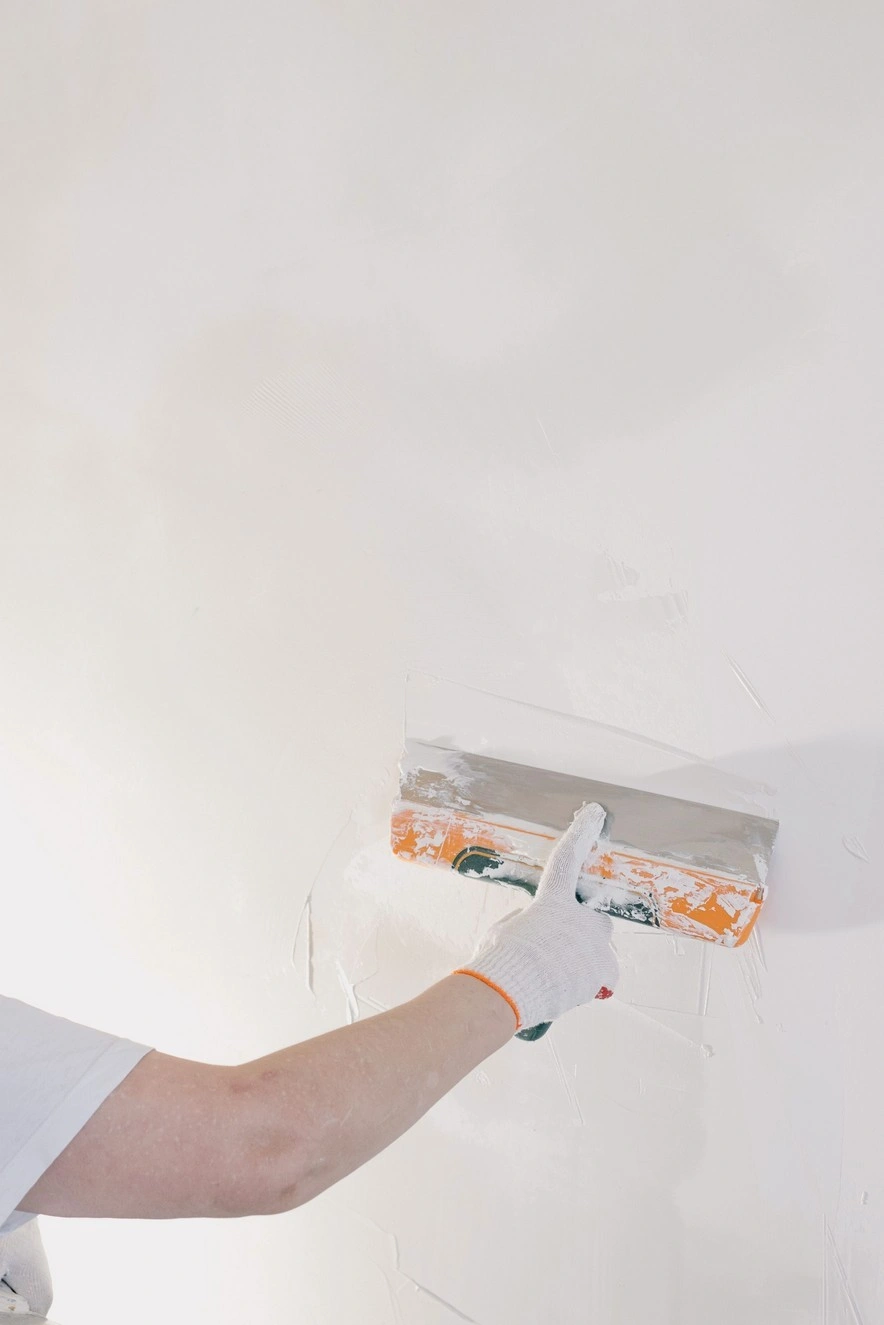
A porous or unevenly absorbent wall may bind the first coat differently across the surface. The correct primer balances absorbency, reinforces weak substrates when necessary and provides the right working base for paint or a decorative finish.
| Wall condition | Recommended starting point | Coverage |
|---|---|---|
| Porous or absorbent surface | OIKOS Crilux water-based reinforcing acrylic primer |
approx. 20-60 m²/l depending on the substrate |
| Very absorbent, old or fragile surface | OIKOS Neofix deep-penetrating transparent consolidator |
approx. 14-18 m²/l |
| Strong base colour or uneven absorbency | OIKOS Il Pigmentato pigmented, tintable primer that improves coverage |
approx. 14-18 m²/l |
| Thick decorative plaster or stucco-type finish | OIKOS Il Primer quartz adhesion and base coat |
approx. 15-20 m²/l |
Quick surface check
- Wipe with your hand: dust on the hand may indicate that the surface needs cleaning and reinforcement.
- Dampen a small area: water that soaks in immediately and unevenly suggests a highly absorbent surface.
- Check adhesion: loose paint, blisters and cracks must be repaired before priming. Primer does not replace substrate repairs.
5. When should Il Primer be used?
Il Primer is not a universal primer for ordinary wall paint. It is a filling, adhesion-promoting base for thicker decorative systems such as Travertino Romano and Raffaello Decorstucco. Under Supercolor, Crilux, Neofix or Il Pigmentato is selected primarily according to the substrate.
6. Decorative finishes are calculated differently
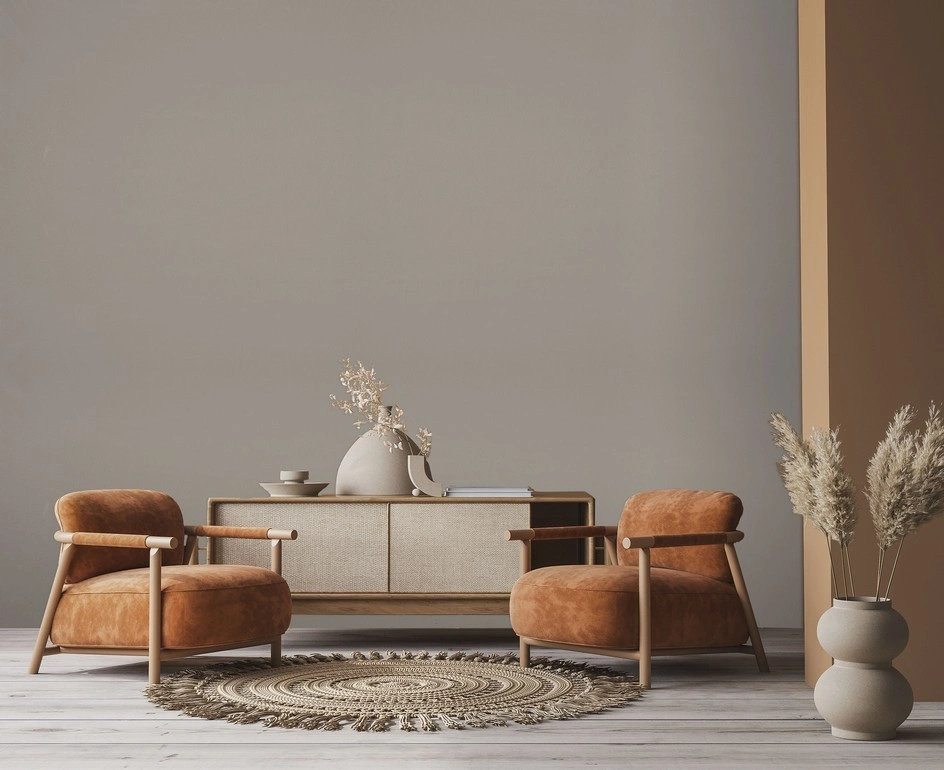
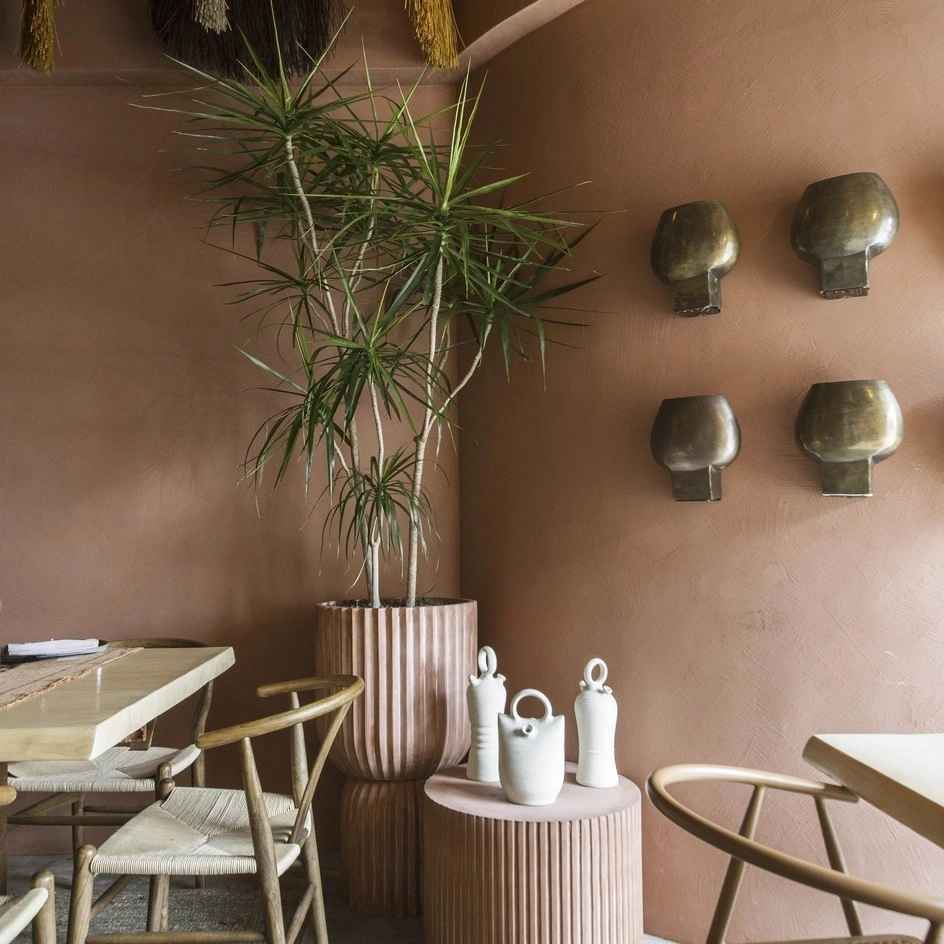
For Marmorino Naturale, Travertino Romano and other decorative finishes, consumption is often stated in kilograms per square metre. Calculate the complete system together: primer, finish and any protective product.
Deco Paint can help size the full product system and select practical pack sizes for the project.
7. Common calculation mistakes
- Coverage already stated for two coats is multiplied by two again.
- A new porous wall is calculated like a previously painted surface in good condition.
- A strong base colour is addressed only by adding more finish coats.
- Primer is selected by name rather than by the condition of the substrate.
- The pack size matches the theoretical quantity exactly, with no working margin.
- Primer and protection for a decorative system are omitted from the total.
Before ordering: collect these 6 details
- Area to be treated in m².
- Is the surface new or previously painted?
- Is the substrate gypsum, cement plaster, filler or another material?
- Is the surface powdery, crumbling or highly absorbent?
- What are the existing and desired colours?
- Will the surface be painted or finished with a decorative coating?
Send us a photo of the wall - we will help calculate the right quantity
Tell us the area, substrate, existing colour and desired finish. Deco Paint will help select the primer, paint or decorative finish and a practical pack size.
Technical coverage values are estimates provided by the manufacturer. Actual consumption depends on the substrate, colour, tools, application method and conditions. Always consult the current technical data sheet before starting work.
Related products
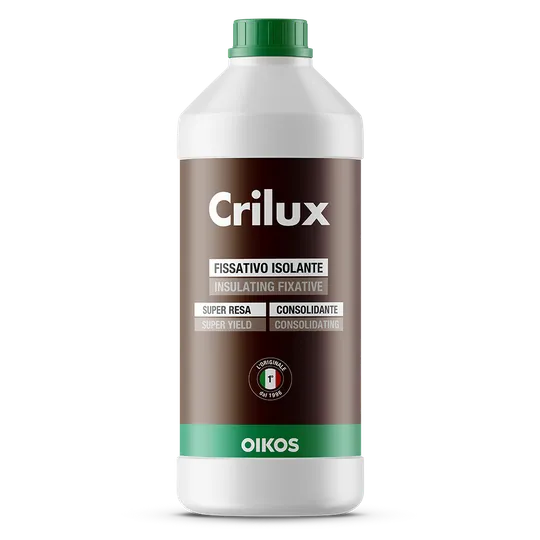
Primer Crilux

Tintable primer Il Pigmentato
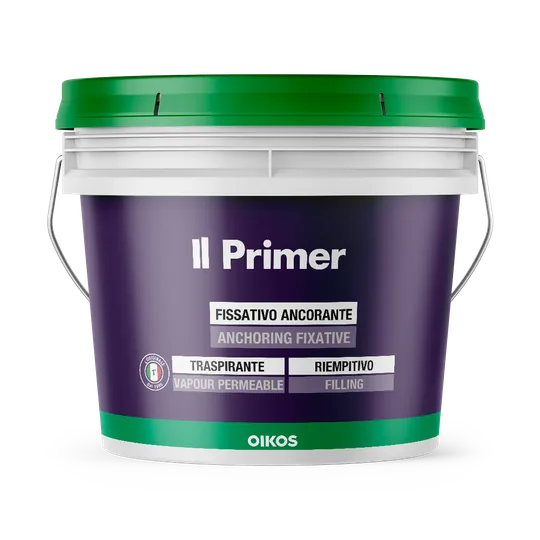
Quartz adhesion primer Il Primer
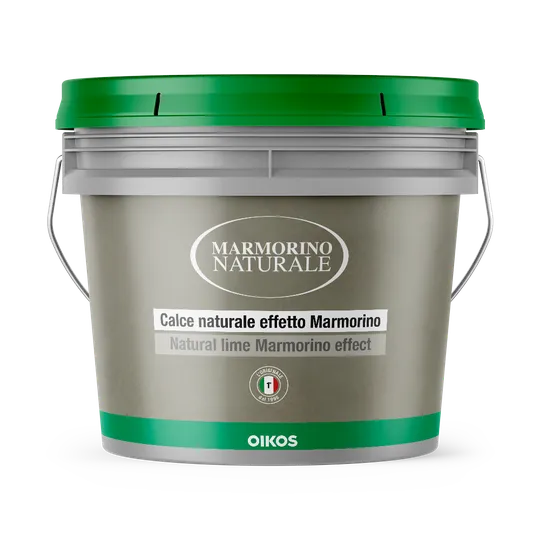
Lime Coating Marmorino Naturale

Primer Neofix

Lime Stucco Raffaello Decorstucco

Interior paint Supercolor