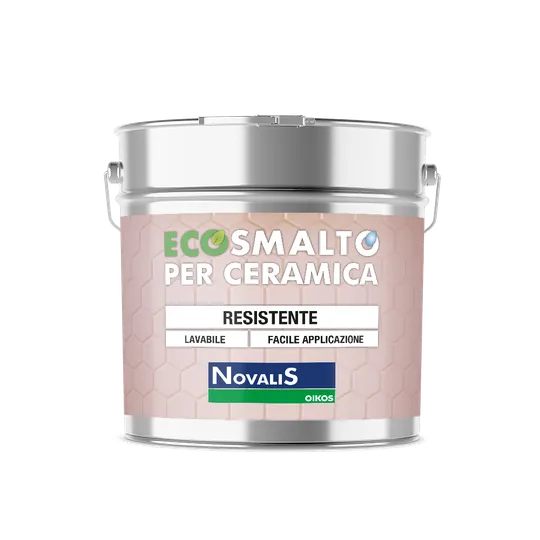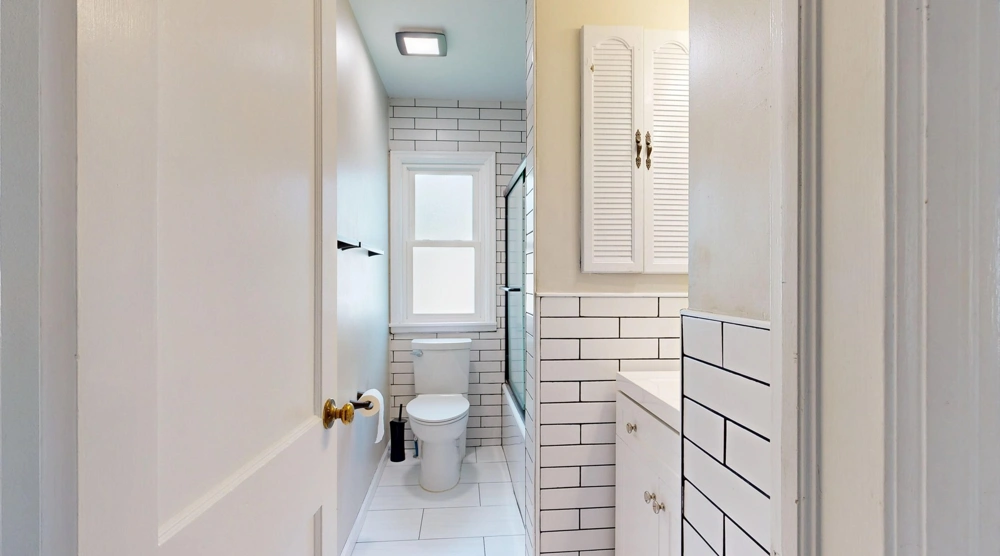
Painting tiles can refresh a bathroom, separate WC or kitchen without heavy demolition. Illustration: Peter Vang / Pexels.
Ceramic tiles in good condition can be painted with a purpose-made product when the surface is clean, dry and sound. Paint changes the colour and finish while leaving the tile layout and grout lines visible. A durable result depends above all on careful cleaning, the correct primer and sufficient curing time.
In brief: bathroom wall tiles can often be painted when the structure and waterproofing are in good condition. OIKOS Ecosmalto per Ceramica is not recommended for shower floors, surfaces with standing water or floors exposed to heavy traffic.
When does painting tiles make sense?
Tile painting is a practical option when the existing surface is technically sound and the aim is to update the colour or atmosphere of the room. It is lighter work than removing tiles, but a lasting finish requires an honest assessment of the substrate.
- The tiles are firmly attached and free from cracks or chips.
- The grout is intact, dry and clean.
- There are no signs of moisture damage, mould or leakage.
- The goal is a visual update, not concealing a structural fault.
- The surface is not exposed to standing water or very heavy wear.
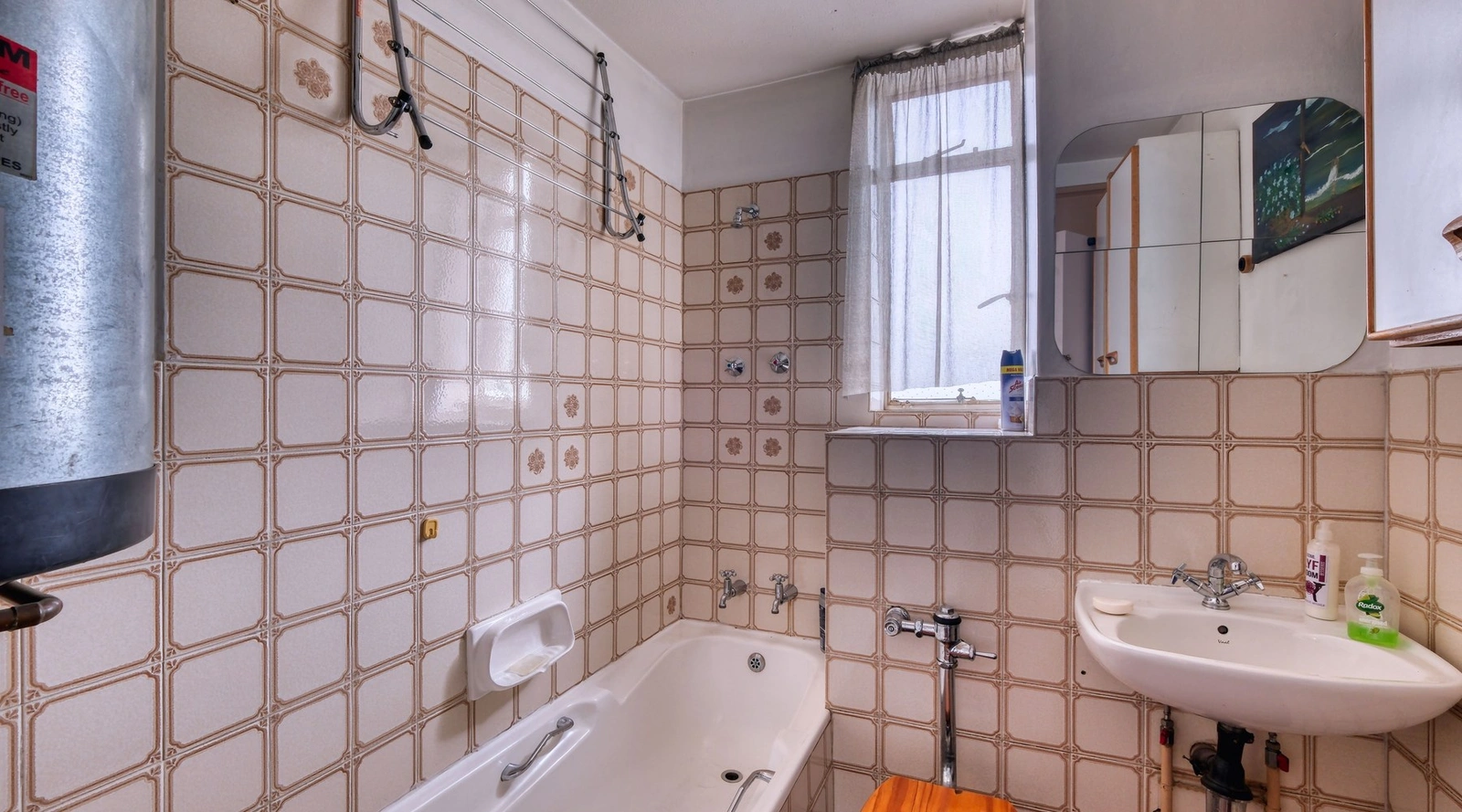
An outdated colour does not mean that a sound tile surface has to be demolished. Illustration: Alexander F Ungerer / Pexels.
Where can OIKOS Ecosmalto per Ceramica be used?
OIKOS Ecosmalto per Ceramica is a water-based, solvent-free satin enamel for renovating ceramic, stone, concrete and terracotta surfaces indoors. It is applied in two thin coats and forms a washable, abrasion-resistant surface.
| Area | Assessment | Note |
|---|---|---|
| Kitchen splashback tiles | Usually suitable | The surface must be grease-free, dry and sound. |
| Wall tiles in a separate WC | Usually suitable | Moisture exposure is normally low. |
| Bathroom wall tiles | Assess case by case | The structure and waterproofing must be intact. |
| Direct shower-water area | Assess carefully | Paint does not form or repair waterproofing. |
| Floor in a dry room or separate WC | Case-specific | Suitability depends on water exposure and wear. |
| Shower floor or standing water | Not recommended | The technical data excludes standing water. |
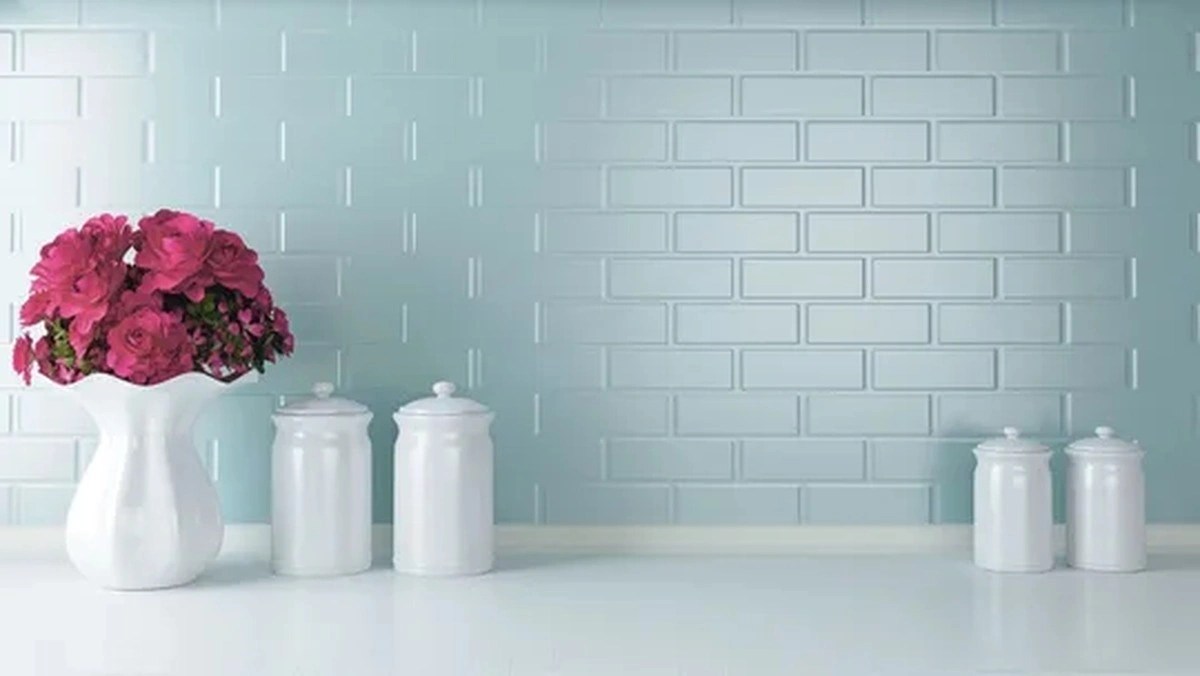
A satin finish changes the colour while the shape, relief and grout lines remain part of the design. Image: Deco Paint / OIKOS.
Tile paint and waterproofing are different things
In a wet room, surface treatment does not replace waterproofing. Under Finland's Ministry of the Environment Decree 782/2017, the structure behind surfaces exposed to running water, repeated splash water or condensing water must be waterproofed. A coat of paint renews the visible surface; it cannot repair old, damaged or missing waterproofing.
Stop work and investigate the structure if you find loose tiles, extensive cracks, grout that repeatedly turns dark, an unusual odour, softened structures, mould or a suspected leak.
Products and tools
- OIKOS Ecosmalto per Ceramica tile paint
- OIKOS Aggrappante Ecologico adhesion primer for smooth, glossy or difficult substrates
- a tile-compatible degreaser and limescale remover when needed
- fine sandpaper or a sanding pad
- a short-nap roller for smooth surfaces and a quality acrylic-enamel brush
- masking tape, protective paper, lint-free cloths, protective gloves and good ventilation.
How to paint tiles step by step
1. Protect the room
Remove cover plates, hooks and small fittings where possible. Protect furniture, floors and adjoining surfaces. Remove old silicone where it will be renewed, because paint does not adhere reliably to silicone.
2. Clean the tiles and grout thoroughly
Grease, soap residue, limescale, dust and detergent film all weaken adhesion. Clean the tiles, grout, corners, pipe surrounds and wall-to-floor junctions with a suitable product. Rinse carefully and allow the entire substrate to dry completely.
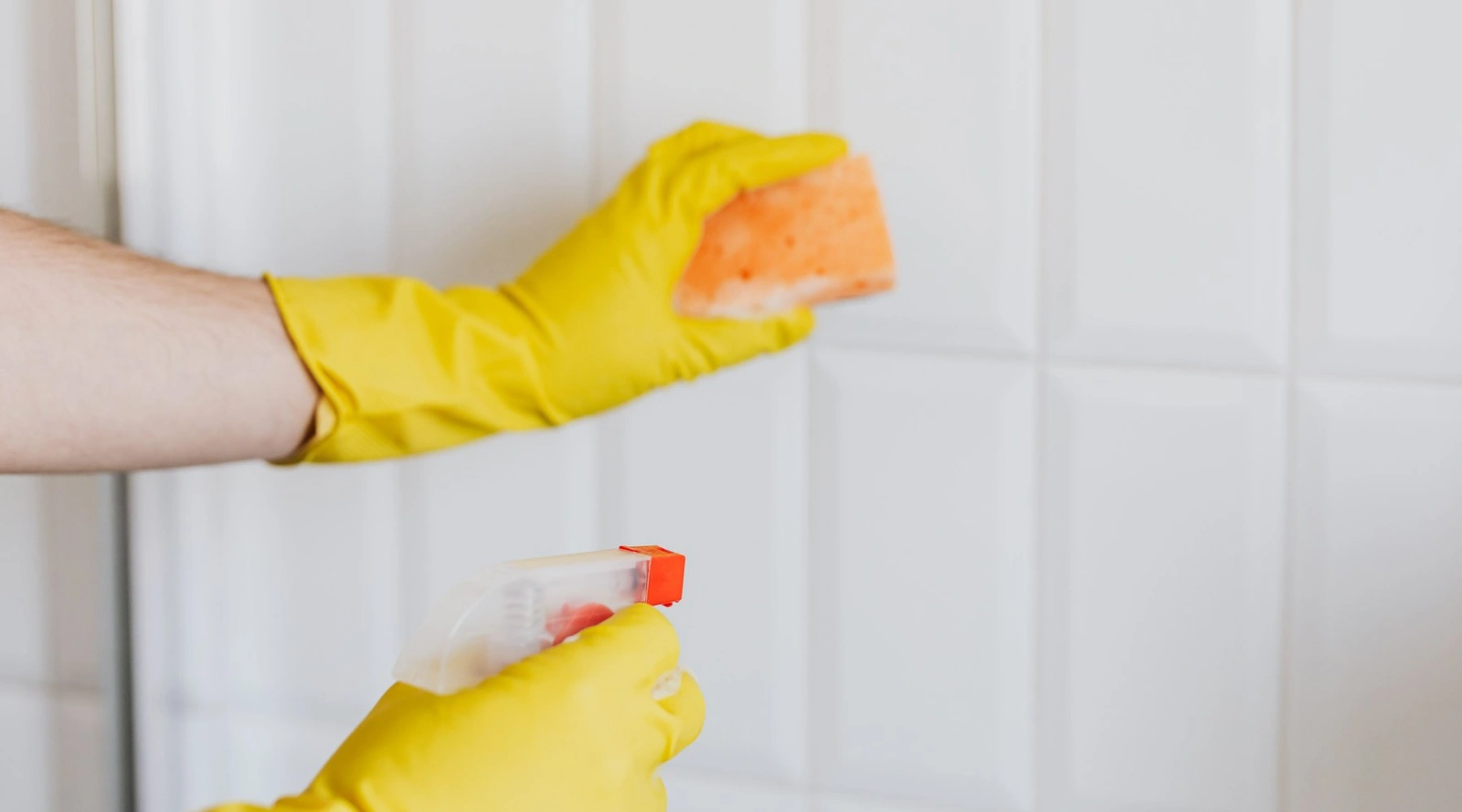
Removing grease, limescale and detergent residue is decisive for adhesion. Illustration: Karola G / Pexels.
3. Repair damaged grout
Repair loose or crumbling grout with a suitable material and observe its drying time. Paint cannot strengthen a weak substrate or stop movement in the structure.
4. Dull a very smooth or glossy surface
Light sanding removes gloss and improves mechanical adhesion. Use fine sandpaper or a sanding pad, avoid aggressive scratching and remove all sanding dust.
5. Prime according to the substrate
Use Aggrappante Ecologico on very smooth, glossy or otherwise difficult surfaces. According to the technical data, apply one even coat; it can be overcoated after about six hours, depending on conditions.
6. Apply two thin coats
Stir the paint thoroughly. Brush the grout, corners and difficult areas first, then apply the paint evenly with a short-nap roller. Two thin coats produce a more controlled finish than one thick coat. OIKOS specifies 6–8 hours between coats.
7. Allow the surface to cure
A touch-dry surface is not yet fully durable. Ecosmalto per Ceramica reaches maximum strength after eight days, and washing should be avoided for at least seven days.
How much tile paint is needed?
The stated coverage is approximately 12–14 m²/l per coat. Two coats are required. Add about ten per cent for practical allowance:
surface area × 2 coats ÷ coverage × 1.10
| Area to paint | Estimated amount for two coats |
|---|---|
| 5 m² | about 0.8–0.9 litres |
| 10 m² | about 1.6–1.8 litres |
| 15 m² | about 2.4–2.8 litres |
| 20 m² | about 3.1–3.7 litres |
Common mistakes
- Painting before the grout has dried completely.
- Leaving grease, limescale or silicone residue on the surface.
- Failing to dull or prime a glossy substrate when required.
- Applying the paint too thickly, causing runs in the grout lines.
- Putting the surface into service before it has cured.
- Using paint to conceal a moisture problem.
- Painting an area where water can remain standing.
Caring for painted tiles
- Avoid washing for at least seven days.
- Use a mild detergent and a soft cloth or sponge.
- Avoid steel wool, strongly abrasive powders and aggressive chemicals.
- Remove splashes regularly and repair local damage promptly in accordance with the product instructions.
Products for a successful tile-painting project
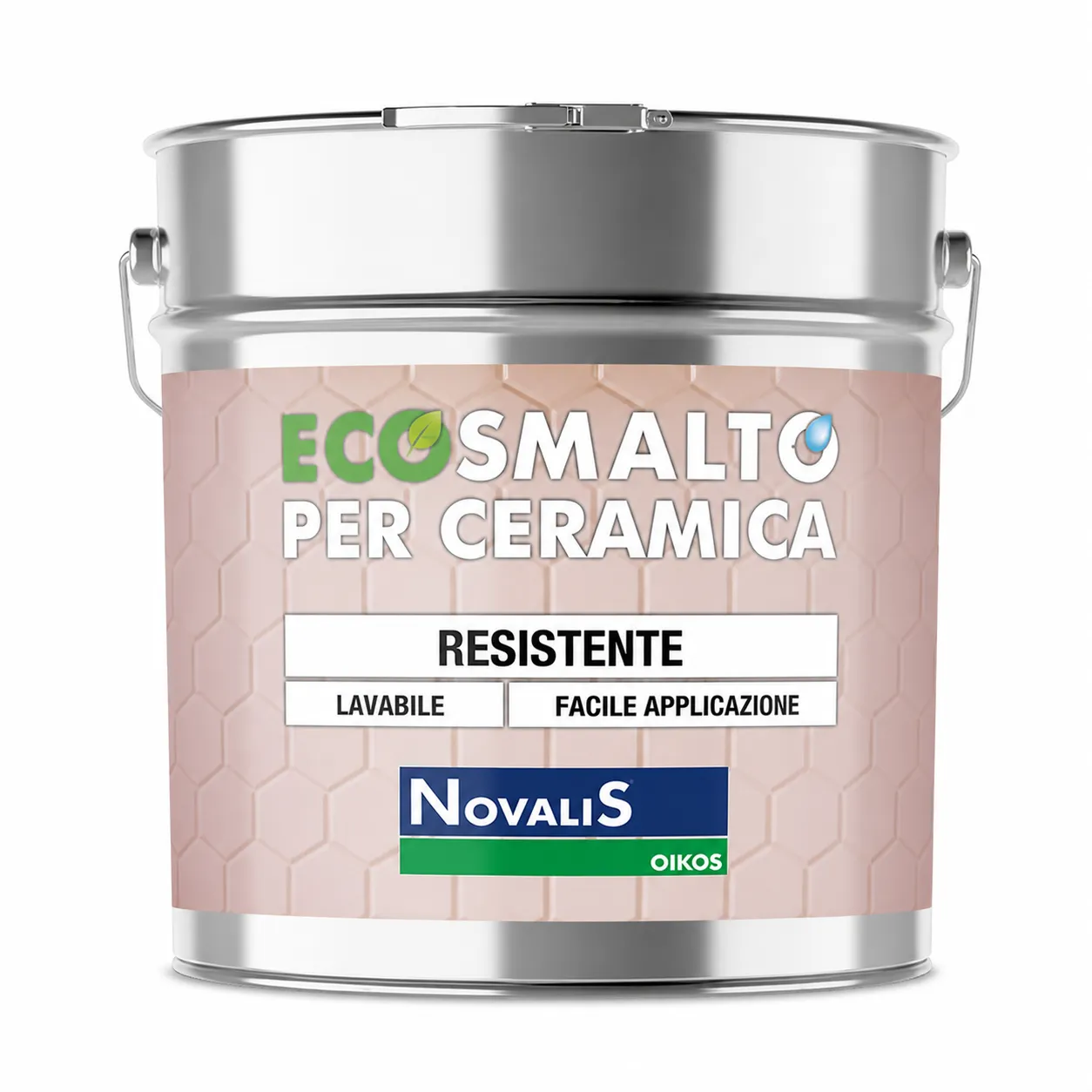
OIKOS Ecosmalto per Ceramica — water-based satin enamel for renewing ceramic surfaces. Two thin coats, coverage approximately 12–14 m²/l/coat.
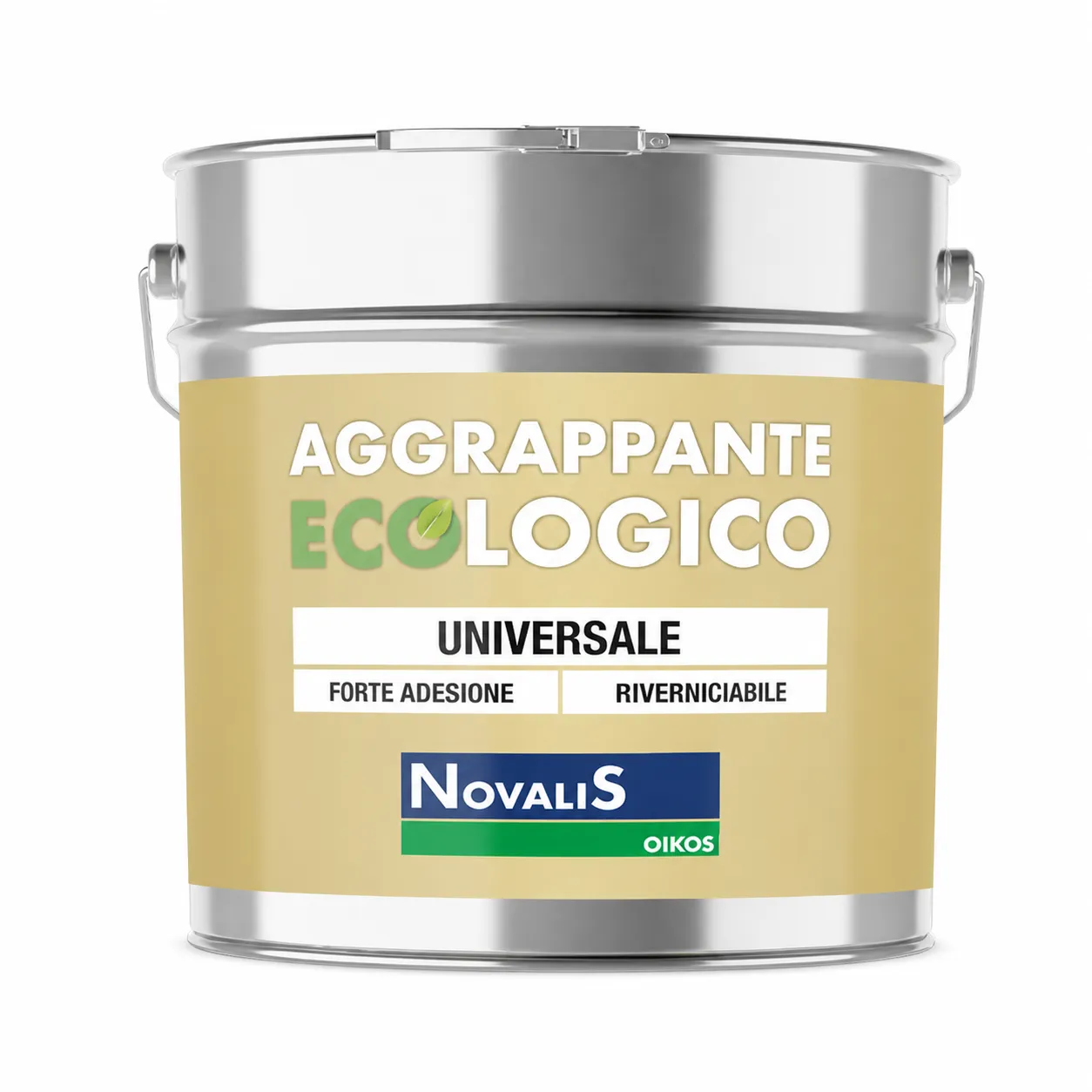
OIKOS Aggrappante Ecologico — adhesion primer for smooth, glossy and difficult substrates. One coat, coverage approximately 10–12 m²/l.
Ask for an assessment before ordering
Send Deco Paint clear photographs of the surface and grout, the estimated area, and details of water exposure and wear. We will help you choose the correct primer, amount of paint and tools.
Contact Deco Paint or email info@decopaint.fi.
Technical data is based on the manufacturer's instructions for OIKOS Ecosmalto per Ceramica and Aggrappante Ecologico. Always check the current product and safety documentation before starting work. Technical data sheet Ecosmalto per Ceramica and Technical data sheet Aggrappante Ecologico.
Related products
Special primer Aggrappante Ecologico